SPARK! 2026 Ignites Collaboration to Strengthen Local Talent Pipeline
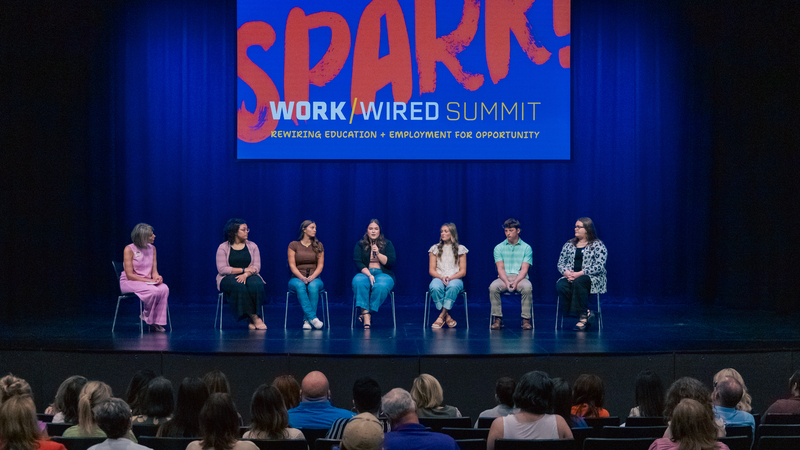 SPARK! 2026 advances WORK/WIRED, a systems-building initiative aligned with IMPACT Independence County’s broader vision.
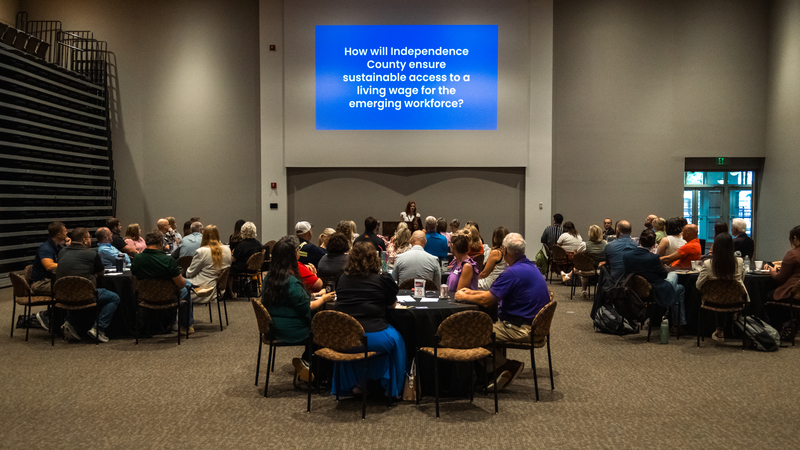
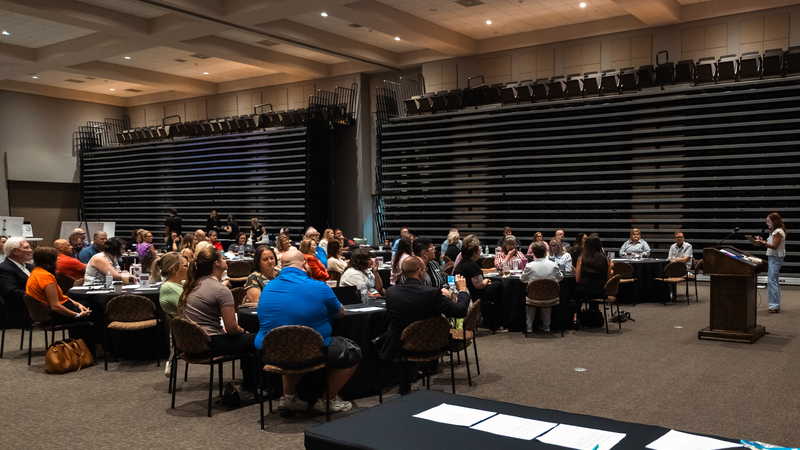
More than 65 community leaders, educators, and employers attended SPARK! 2026: A WORK/WIRED Conference this summer. The event aimed to turn workforce data into effective collaboration for Independence County’s future.
Representatives from six public schools, 14 employers, four nonprofits, and two colleges participated, reflecting the community’s commitment to strengthening the local talent pipeline.
SPARK! 2026 advances WORK/WIRED, a systems-building initiative aligned with IMPACT Independence County’s broader vision. This grassroots plan focuses on healthy living and well-being, educational excellence, placemaking, and economic prosperity. WORK/WIRED supports this vision by addressing a key question: How can Independence County strengthen education and workforce systems to ensure sustainable access to living-wage opportunities?
“SPARK! 2026 demonstrates the power of partnership in preparing students for meaningful careers,” said Dr. Brian Shonk, chancellor of the University of Arkansas Community College at Batesville. “When education and industry work together, we create clearer pathways for students and stronger outcomes for our region.”
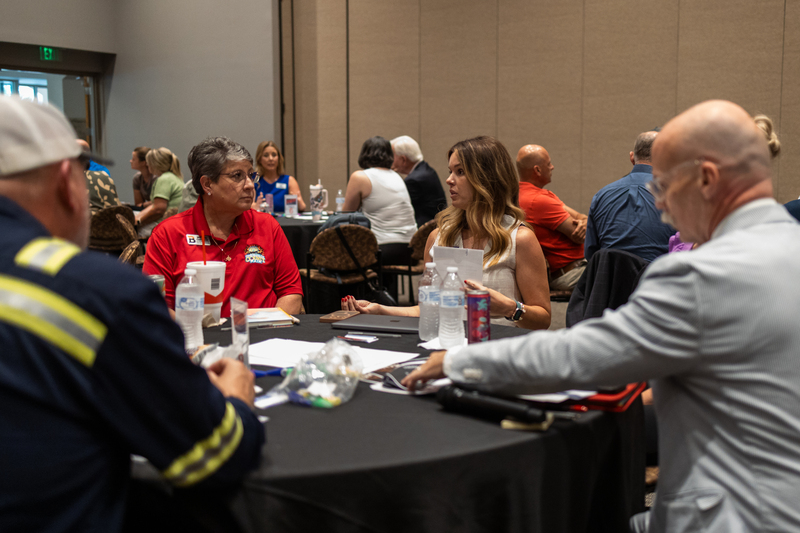
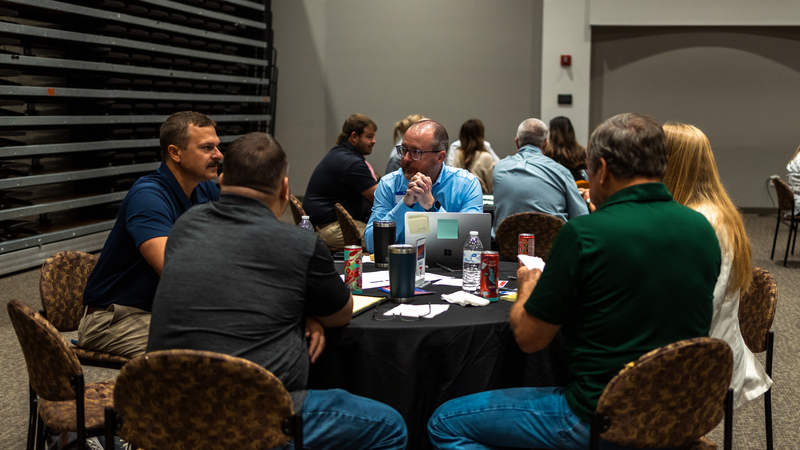
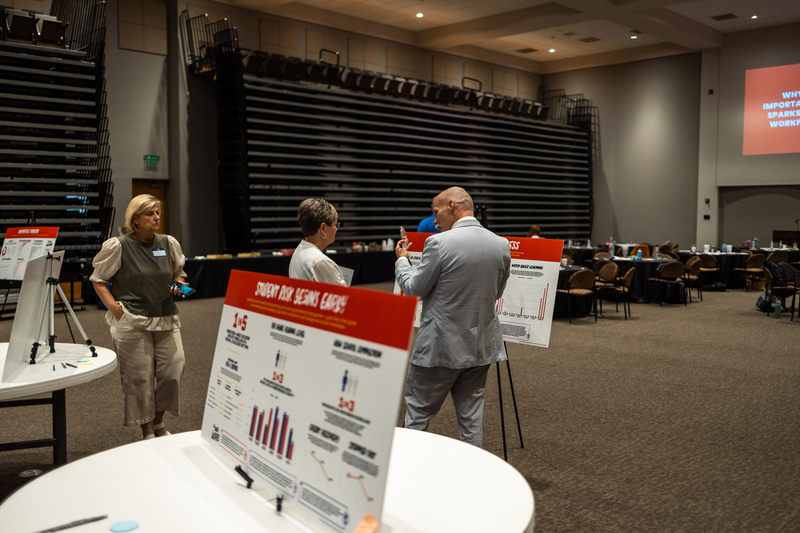
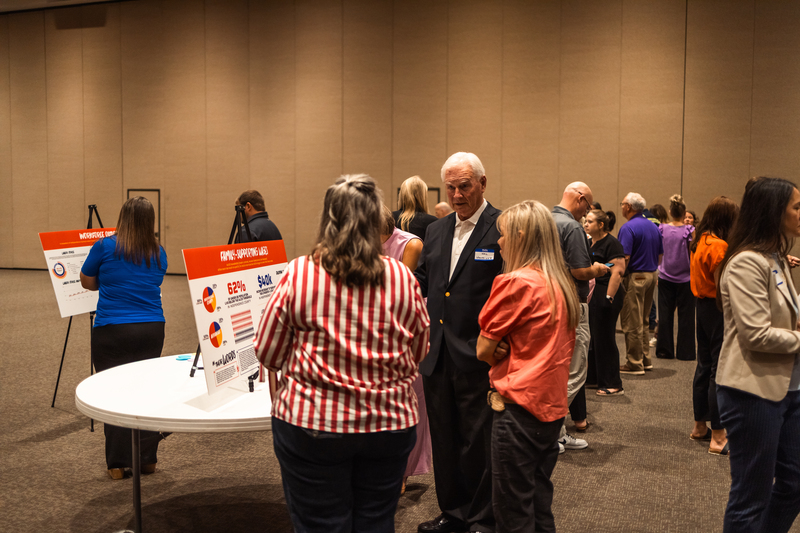
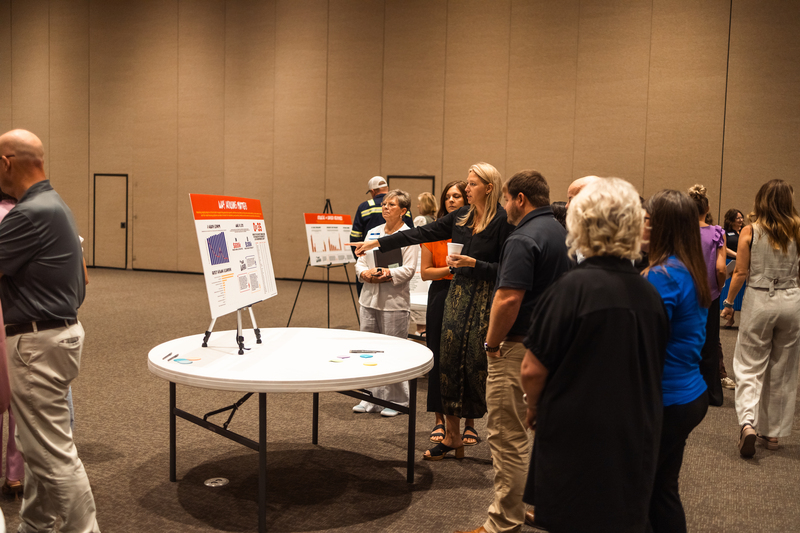
SPARK! 2026 was designed as a working event to move participants from discussion to action. Through tabletop exercises, work-based learning reviews, data walks, and employer roundtables, attendees collaborated to identify solutions, strengthen partnerships, and develop a shared vision for talent development in Independence County.
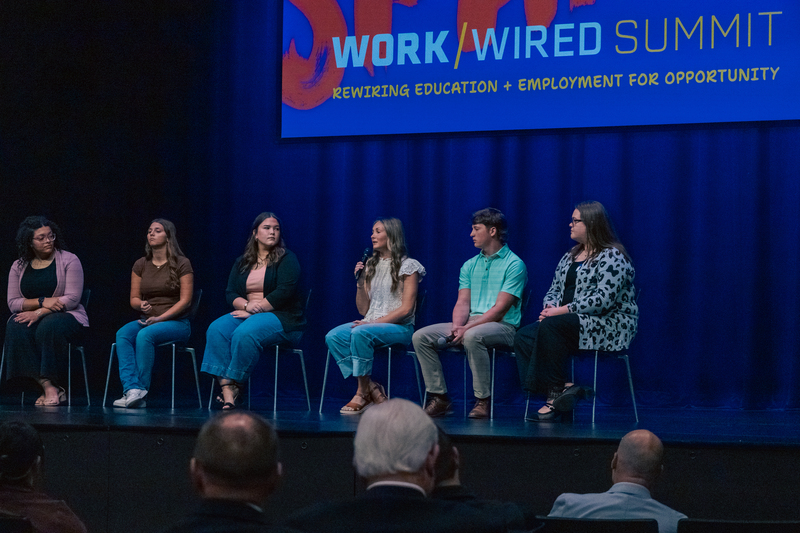
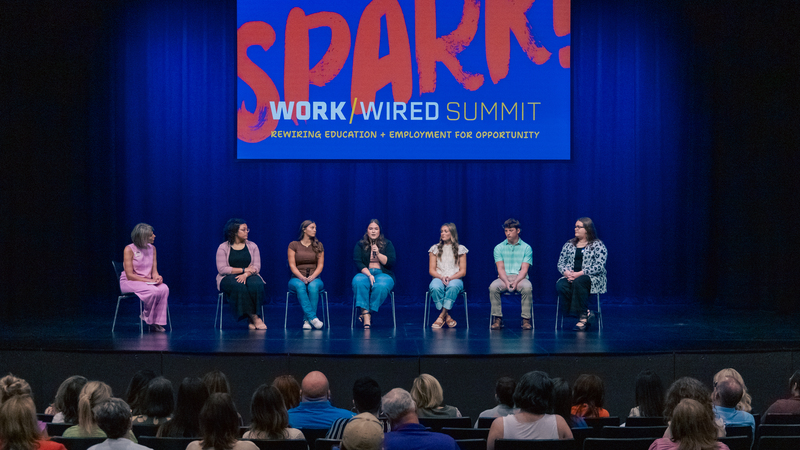
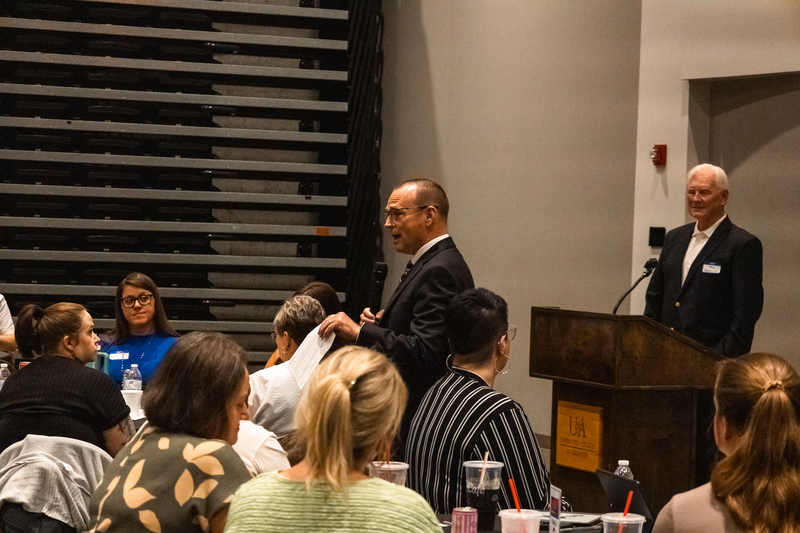
A highlight of the day was a panel of six local students who shared their experiences with classes, part-time jobs, and the challenges they face as they plan for the future.
“SPARK! 2026 showed me what happens when professionals across sectors come together to solve pipeline problems,” said Kristi Price, executive director of institutional affairs at Lyon College. “The variety of perspectives challenged and improved my own sense of process and expectation. It reignited my desire to help build a local ecosystem that supports students on multiple pathways.”
A clear theme emerged: Independence County offers many career opportunities, but increased awareness and stronger connections are needed to help students and families access them.
“The energy in the room was inspiring,” said Kathy Lanier, CEO of Vital Link EMS. “We saw educators, employers, and community leaders not just discussing challenges, but actively brainstorming solutions. Independence County has incredible career opportunities, and the real work ahead is connecting students and families to those opportunities in intentional ways.”
The discussions reinforced the importance of including employers’ perspectives in identifying workforce challenges and developing solutions. Employer representatives attended from organizations such as Arkansas Sheriffs’ Youth Ranches, Atlas Asphalt, Children’s Advocacy Center, Citizens Bank, FARCO, First Community Bank, LaCroix Precision Optics, LifePlus International, Network of Community Options, Ōnin Staffing, PECO Foods, Precise Electric, Sonic, Vital Link EMS, and White River Health.
“I recently had the privilege of joining the WORK/WIRED team at a CivicLab session in Redding, California,” said Brody Kagen, human resources generalist at FutureFuel Chemical Company. “It was an incredible experience that allowed us to bring a crucial employer’s perspective to systemic regional challenges, and I left feeling deeply grateful for the collaboration.”
Local leaders emphasized the need to turn collaboration into meaningful action.
“SPARK! 2026 highlights what’s possible when schools, employers, and community partners come together around a shared goal,” said Novella Humphrey, COO of the Batesville Area Chamber of Commerce. “We all have a role to play in preparing our future workforce, and events like this help us move from conversation to action.”
The event also revealed early indicators of workforce readiness. One employer identified attendance as a persistent challenge, highlighting that this issue starts well before students enter the workforce. The discussion stressed the importance of building strong habits and expectations early, as these foundations influence success throughout a student’s education and career.
Ultimately, SPARK! 2026 reinforced that workforce development is a shared responsibility requiring the commitment of the entire community. When students understand available opportunities and employers help shape future talent, all of Independence County benefits.
Stories shared throughout the day demonstrated that a single supportive connection, or one “spark,” can change the course of a young person’s life.